

 Time to eat!
 I am asked on a regular basis, "How many times a day should I feed my dog?" Well, that answer varies greatly. First, let's look at the dogs' ancestor, the wolf. In the wild wolves eat when food is available. They might eat once every other day to many times a day depending upon prey availability. When feeding, their natural tendency is to believe this might be the last meal they see for quite a long time. So, they eat until they are full. Wolves can eat up to 22.5 lbs. of food a day! For them to reproduce effectively they need to eat about seven pounds of food a day. But, eating takes work. The pack must find and run down prey. Sometimes wolves may run twenty to thirty miles in a single day! This could burn tens of thousands of calories. They are exposed to the outside air and changing temperatures, which also burns additional calories. Getting raw meat out of prey takes a lot of effort. They move about more than domestic dogs, all of which makes them fuel burning machines. They are also extremely efficient food processors who can go without food for days or weeks.
Our domestic dogs sleep anywhere from twelve to fourteen hours a day. Puppies can sleep up to twenty hours a day! They don't have to chase down their food, and unless they are working dogs they don't usually expend a lot of energy in their waking hours. Actually, they spend the majority of their time waiting for us to do something with them. And, let's face it, we don't move around all that much.
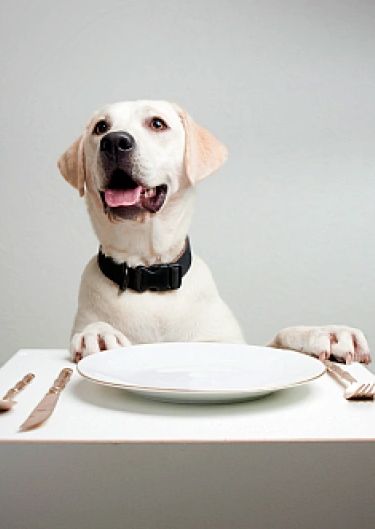
So, feeding schedules can be based upon the family schedule. A lot of folks feed their dogs in the morning and again when they get home from work. That's okay. Some people give their dog one big meal. That's okay, but not as good as two meals. A dog with one single meal gets used to the fact that they may not see another meal for at least a day. This causes many dogs to eat rapidly. They also lay around on the really full belly after a metabolism and insulin spike. The metabolic peaks and valleys can cause weight gain if not properly monitored. Then there are those who feed their dogs at least three times a day. This is my favorite. It causes a leveled metabolic state throughout the day and into the night. It allows to you to closely monitor the amount of food consumed, and help you closely monitor your dog's health. However you feed your dog, make sure you accurately measure the food you give them.
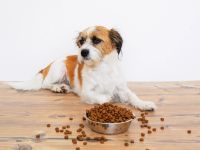
But, our schedule aside, what about the needs of the dog? Some pups are grazers. You can set out a bowl of food and they will nibble on it all day. This is great if you have a dog that works that way, but only if you have a single dog. If you have multiple dogs it provides a window of opportunity for one to eat way more than it needs which will lead to obesity in one, and a possibility of a problem with aggression. If you are feeding multiple dogs, all should eat at the same time, from separate bowls, and in regularly assigned places. Try not to move the bowls around randomly. You should also monitor the feeding to ensure all of the dogs are eating their food, and only their food. If one dog stops without finishing their food and shows a lack of interest in their food, take it up and don't allow the other dogs to finish it for them. Leaving a bowl unsupervised can lead to aggression problems as well.
Finally, there are dogs with dietary needs. I have discovered that some dogs, usually toy or miniature breeds, may have very active stomachs and be high in stomach acids. A lack of food can actually cause them to be sick at their stomach. If a dog randomly vomits a frothy clear fluid (usually at night), that can be an indicator of a busy stomach or high acid content in the stomach. Dogs with this issue tend to respond well to three meals a day with the last meal being shortly before bed time. This third meal keeps their stomachs busy, utilizes the stomach acids effectively, and helps prevent the late night hurls.
And, yes, you need to let them go out to poop after every meal.